Loading...
Loading...
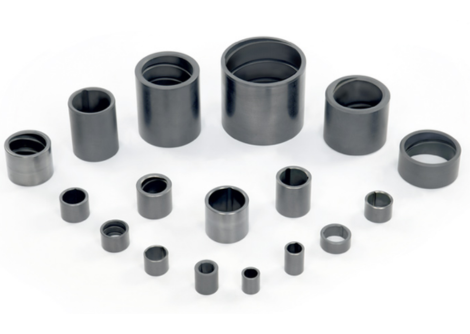
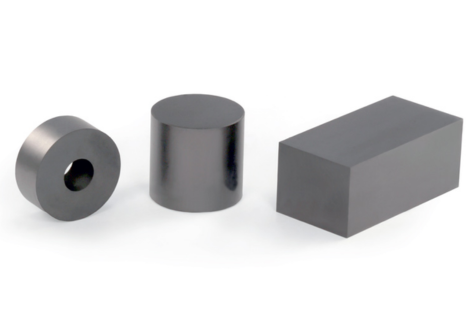
A Carbon Radial Bearing utilizes carbon-based materials — such as carbon composites or carbon graphite — to support radial loads in rotating systems. Radial bearings support loads acting perpendicular to the shaft's axis, enabling smooth rotation between moving parts with minimal friction and wear.
Unlike conventional metallic bearings, carbon radial bearings are self-lubricating and chemically resistant, making them ideal for demanding environments where external lubrication is not feasible or desired.
Carbon materials have inherently low friction properties, leading to reduced energy loss and improved efficiency in rotating systems.
Carbon bearings generate their own lubrication during operation, resulting in less maintenance requirements and longer service life.
Carbon composites offer a high strength-to-weight ratio, suitable for applications where weight reduction is critical without compromising structural integrity.
Carbon materials are chemically inert and resistant to corrosion, making them suitable for harsh chemical environments.
Carbon bearings operate effectively across a wide temperature range including extreme high and low temperature environments.
Due to self-lubricating properties and low friction, carbon bearings experience significantly less wear — extending operational life considerably.
| Parameter | Unit | Value | Grade |
|---|---|---|---|
| Carbon Content | % | 97 – 99 | Premium |
| Bulk Density | g/cm³ | 1.70 – 1.78 | High |
| Max Operating Temp | °C | Up to 450 | High Temp |
| Friction Coefficient | — | 0.05 – 0.15 | Low |
| Compressive Strength | MPa | 100 – 160 | Strong |
Our engineers will help you find the right product for your application.