Loading...
Loading...
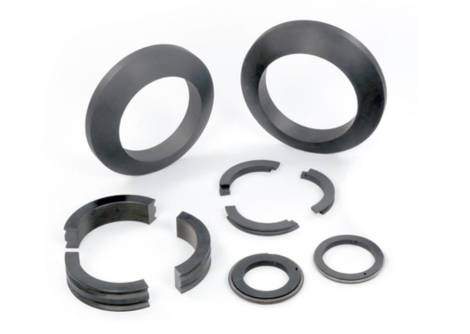
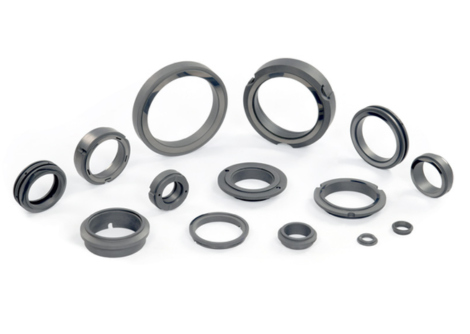
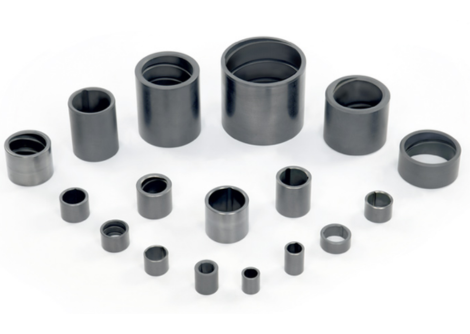
A Carbon Steam Joint is a specialized component used in rotary steam joints or rotary unions — mechanical devices that enable the transfer of steam or other fluids between a stationary and rotating part of a machine or system.
Carbon graphite is chosen as the sealing element due to its outstanding thermal resistance, chemical inertness, self-lubricating properties, and ability to withstand the high temperatures and pressures encountered in steam systems.
Steam enters through the stationary inlet port of the rotary joint housing.
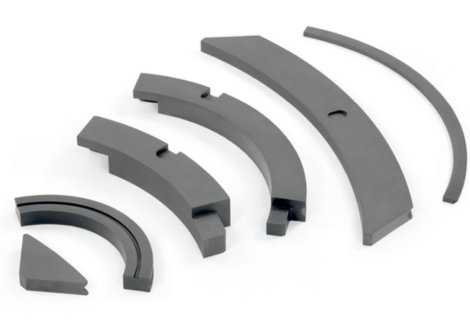
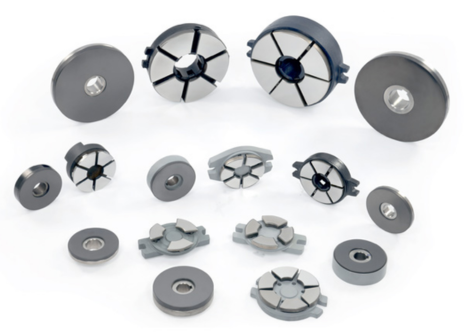
The carbon graphite seal ring creates a tight interface between stationary and rotating components, preventing leakage.
Steam transfers efficiently into the rotating equipment — cylinders, dryer drums, rolls — maintaining full system pressure.
Carbon withstands elevated steam temperatures without significant degradation or loss of sealing performance.
Reduces friction and wear, ensuring smooth rotation and significantly extended operational life with minimal maintenance.
Chemically inert and resistant to steam and many industrial process chemicals found in steam system environments.
The carbon sealing surface provides an effective barrier against steam leakage, minimizing energy losses and improving efficiency.
Requires significantly less maintenance than traditional metallic seals, reducing downtime and operational costs.
Excellent wear resistance combined with self-lubrication ensures extended service intervals and reliable performance.
| Feature | Carbon Steam Joint | Metallic Seal |
|---|---|---|
| Self-Lubricating | ✓ Yes | ✗ No |
| High Temp Resistance | ✓ Excellent | ✓ Good |
| Chemical Resistance | ✓ Excellent | ✗ Limited |
| Maintenance Required | ✓ Low | ✗ High |
| Steam Leakage | ✓ Minimal | ✗ Higher Risk |
| Service Life | ✓ Long | ✗ Shorter |
Our engineers will help you find the right product for your application.